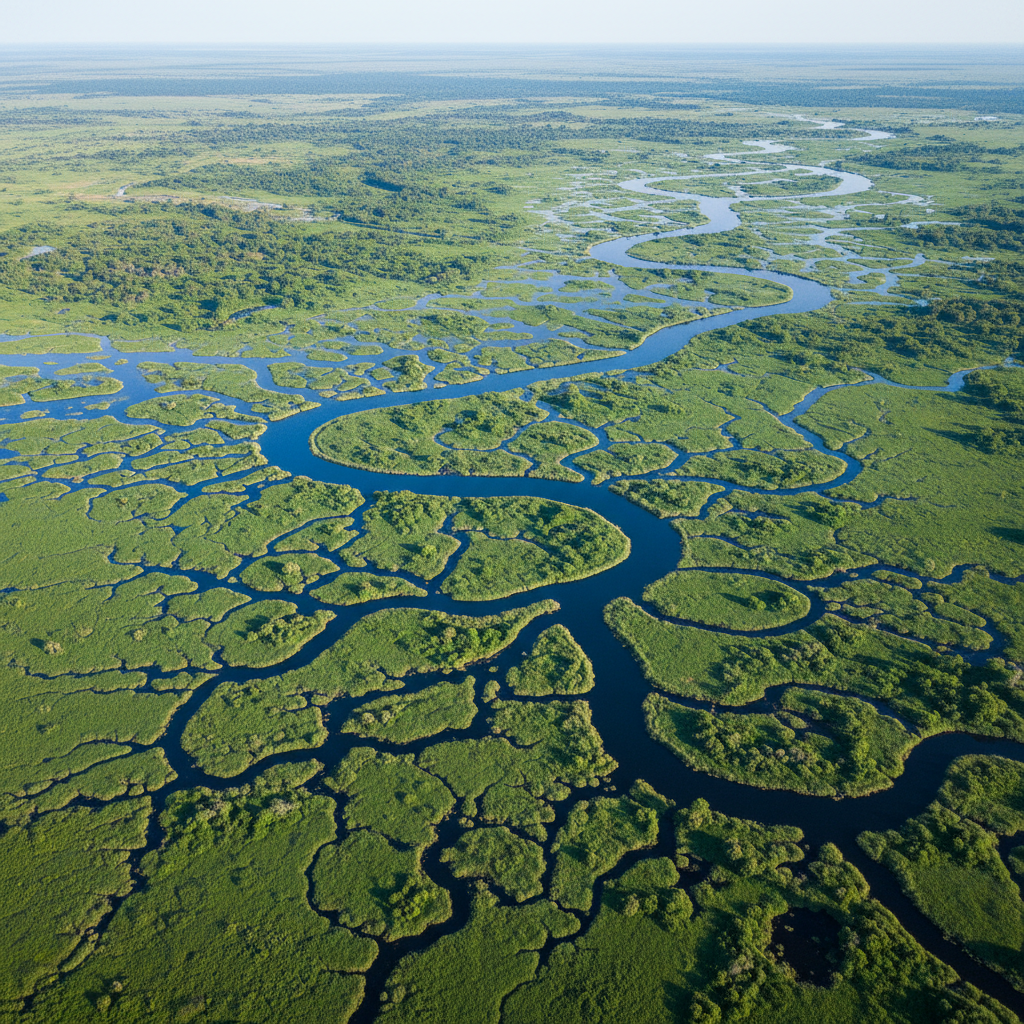
The Okavango Delta is a photographer's obsession. Our photographic guide shares the practical secrets of capturing Africa's greatest wetland — including the one thing no camera course will teach you.
The Light Problem
Every photographer who comes to the Delta arrives expecting the light to be beautiful. They are right. What they don't anticipate is how fast it moves.
At dawn, you have approximately 45 minutes of truly extraordinary light — warm, low, golden, and directional. The same is true at dusk. Between those windows, the overhead light is harsh, flattening, and unforgiving.
Everything you want to photograph in the Delta, photograph in those 90 minutes per day.
The Water Advantage
The Delta's great photographic advantage is water. Reflections are everywhere, which means you can often shoot directly into the light — normally inadvisable — and get extraordinary mirror effects. The lily pads and reed beds create foreground interest that doesn't exist on open savanna.
The mokoro is the ideal photographic platform. It is silent, low, stable (in practiced hands), and it gets you to positions that no vehicle can reach. The perspective from water level transforms the images.
What Nobody Tells You
Here is the thing that no photography workshop will prepare you for: the best images from the Okavango are not the technically perfect ones.
They are the ones where you put the camera down.
I have been guiding photographic safaris for nine years. The guests who come back with the most powerful work are the ones who spend half their time just watching. When something extraordinary happens and you've been watching rather than shooting, you see it arriving. You're ready in a way that constant scanning through a viewfinder never allows.
The camera is a tool. The Delta is the experience. The best photographs happen when you understand the difference.
Kobus van der Merwe leads photographic safaris from Etela Delta and Etela Chobe. He has been published in National Geographic, BBC Wildlife, and Condé Nast Traveller.